
3D Rendering vs Photography: Why DaRender is the Smart Choice for Modern Visualization
We live in a world where visuals define how people see your brand and influence their buying decisions. Research shows that images don’t just communicate information faster than words—they also create a powerful emotional bond between customers and products.
For decades, photography was the go-to method for creating trust and showcasing products. But the rise of computer graphics has changed everything. Today, advanced 3D rendering makes it possible to create visuals that look as real as photographs—sometimes even better. With rendering, an artist can design a complete digital environment, control every element, and deliver photorealistic images that are often indistinguishable from real photos.
More and more, global brands, real estate companies, and e-commerce platforms are turning to CGI instead of traditional photos. But is rendering always the best choice? Or does photography still have a role? Let’s explore.
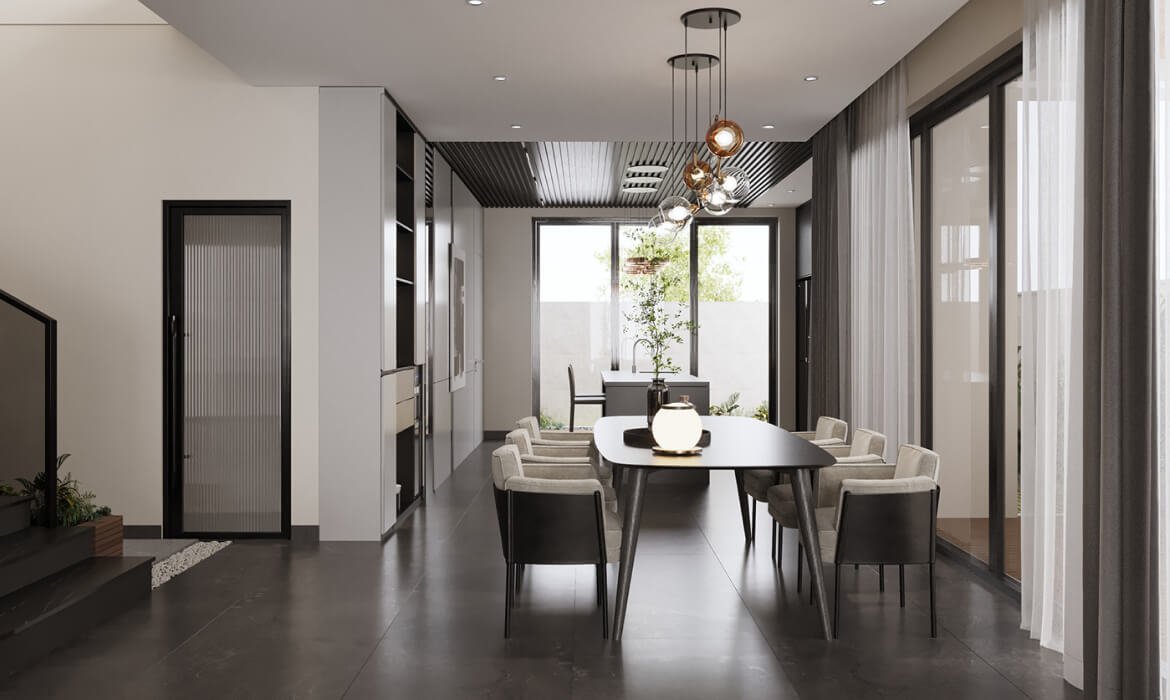
How 3D Rendering and Photography Differ
The Workflow
- Photography requires pre-production (concept planning), production (photoshoot with equipment, studio, models, props), and post-production (editing and retouching). It works best for physical objects and real-life moments.
- 3D rendering, on the other hand, is fully digital. It starts with creating a 3D model, then adding textures, materials, and lighting. Finally, software transforms the scene into a finished image. This process allows complete flexibility—whether it’s a 3D rendering of a modern house, a new furniture line, or an architectural concept.
Control and Flexibility
- Photography depends on weather, lighting, and location. Achieving perfection can take multiple shoots.
Rendering gives total control. Want a 3D rendering of a two-story house floating above the ocean? Or a product placed on a mountain peak? With CGI, it’s possible.
Why Brands Still Use Photography
- Authenticity: Photos show real products, which can inspire trust—especially for food, fashion, or people-focused industries.
- Emotion: Photography captures genuine human expressions and moments.
- Proof: Photos confirm that a product exists in real life.
But photography has downsides: it’s dependent on physical conditions, expensive to reshoot, and costs grow linearly with every new variation.
Why 3D Rendering is a Game-Changer
- Unlimited Control: Every detail—lighting, textures, camera angles—is adjustable.
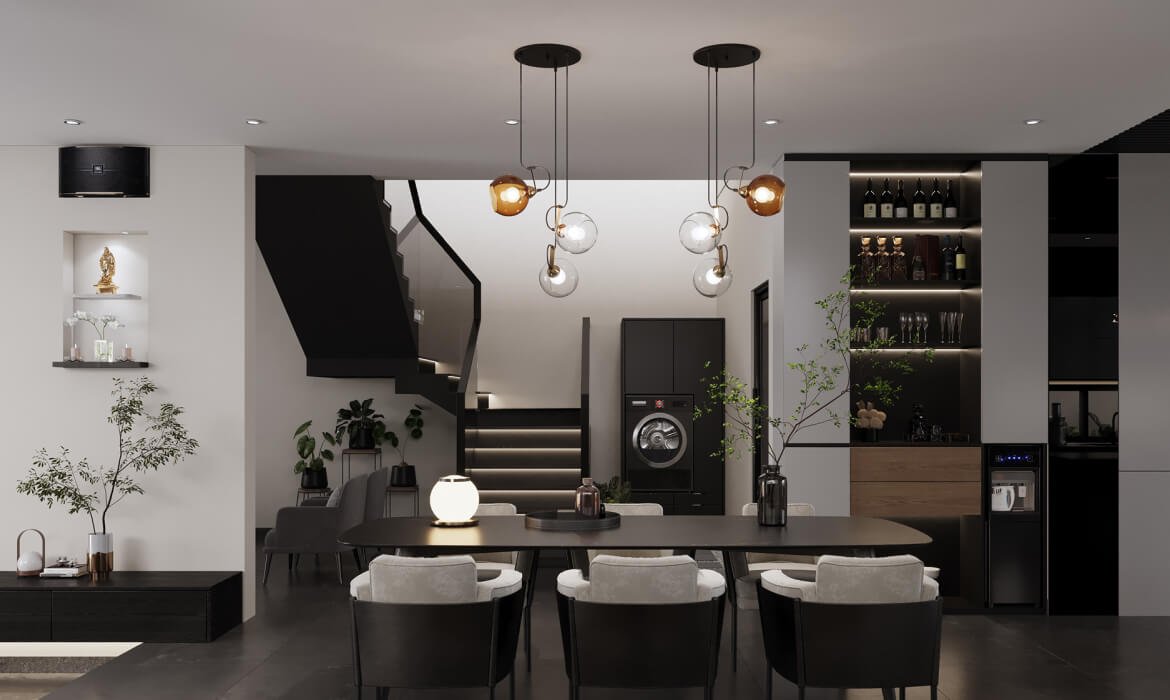
- Photorealism: Today’s technology makes renders so lifelike that most people can’t tell the difference. Real estate developers now sell apartments off-plan using 3D rendering of a house before construction even begins.
- Flexibility & Scale: One 3D model can generate hundreds of variations—different materials, colors, or perspectives—at a fraction of the cost.
- Cost Efficiency: While creating the model requires an upfront investment, producing new images is fast and inexpensive.
- Interactive Possibilities: Renders can be turned into 360-degree views, VR/AR tours, or online configurators, giving customers an engaging experience.
The Downsides
- Sometimes, renders can feel “too perfect,” which reduces emotional connection.
- High-quality rendering requires skilled artists and powerful tools, which means higher initial costs.
Photography vs Rendering: Cost Comparison
- Photography: Every new variation (angle, background, color) means another shoot. Expenses include equipment, studio rental, and photographer fees.
- Rendering: High upfront cost but low variable cost. Once you have a 3D model, new visuals can be created quickly and affordably—making it perfect for large product catalogs or architectural projects.
Which is Right for Your Business?
The truth is, both have value. Photography gives authenticity. Rendering offers flexibility and scalability. Many successful brands combine the two—using photography to show reality and CGI to highlight creativity and speed.
For example, in real estate and architecture, 3D rendering of a modern house allows buyers to explore a property before it’s built. In e-commerce, interactive renders increase engagement and reduce returns.
Why Choose DaRender?
At DaRender, we believe rendering isn’t just about making images—it’s about creating experiences that connect with people.
Here’s what sets us apart:
- True-to-Life Photorealism – Every render showcases textures, light, and atmosphere that look indistinguishable from photos.
- Attention to Detail – From architectural details to the smallest material finish, we highlight what makes your design unique.
- Custom Atmospheres – Whether you want minimalist, luxurious, or dramatic, we shape the mood to fit your audience.
- Proven Expertise – Our work spans architecture, interiors, and product design, backed by experience with global clients.
- Smooth Collaboration – Clear communication, reliable deadlines, and revisions until you’re satisfied.
- Storytelling with Purpose – We don’t just show a design—we craft a narrative that makes your project aspirational and memorable.
- Value at Scale – From a single render to a full portfolio, we deliver high-quality results with cost-effective solutions.
Final Thoughts
Photography and rendering don’t have to compete. In fact, the smartest approach is to use both strategically. But if your goal is speed, flexibility, and scalability, 3D rendering gives your business the edge.
Whether it’s a 3D rendering of a two story house for real estate, or photorealistic product images for e-commerce, DaRender helps you showcase your ideas in the most powerful way possible.