


Architecture is a profession built on precision — but communicating that precision to clients, contractors, and approval committees has always been a challenge. Technical drawings speak clearly to trained professionals but leave most clients guessing. That gap between design intent and client understanding is where projects run into trouble: costly revisions, misaligned expectations, and decisions made too late in the process to be corrected without expense. Studio3 (studio3.pk) works closely with architects across Pakistan to close that gap with one highly effective tool — professional 3D visualization delivered before construction ever begins.
The Communication Problem Every Pakistani Architect Knows
Ask any experienced architect in Pakistan and they will describe the same scenario: you present a carefully considered design to a client, walk them through the floor plans and elevations, explain the spatial relationships and material choices — and the client nods along but clearly does not fully grasp what they are approving. Then, six months into construction, they see the building taking shape and say: “I did not imagine it would look like this.”
This is not a failure of design. It is a failure of communication — and it is entirely preventable. The human brain is not trained to read architectural drawings the way a professional is. Clients interpret floor plans through the filter of their own imagination, which often leads to a mental image that differs significantly from the architect’s intention.
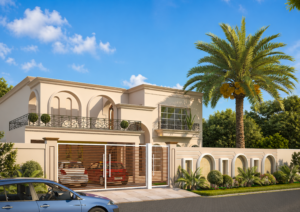
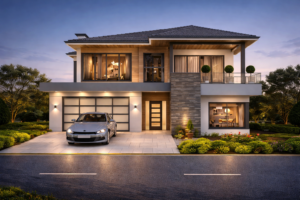
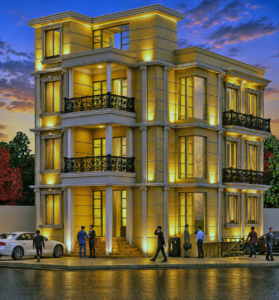
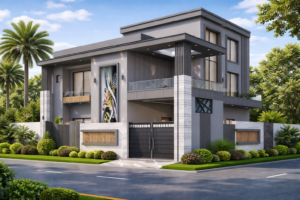
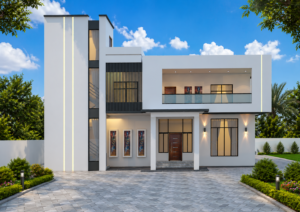
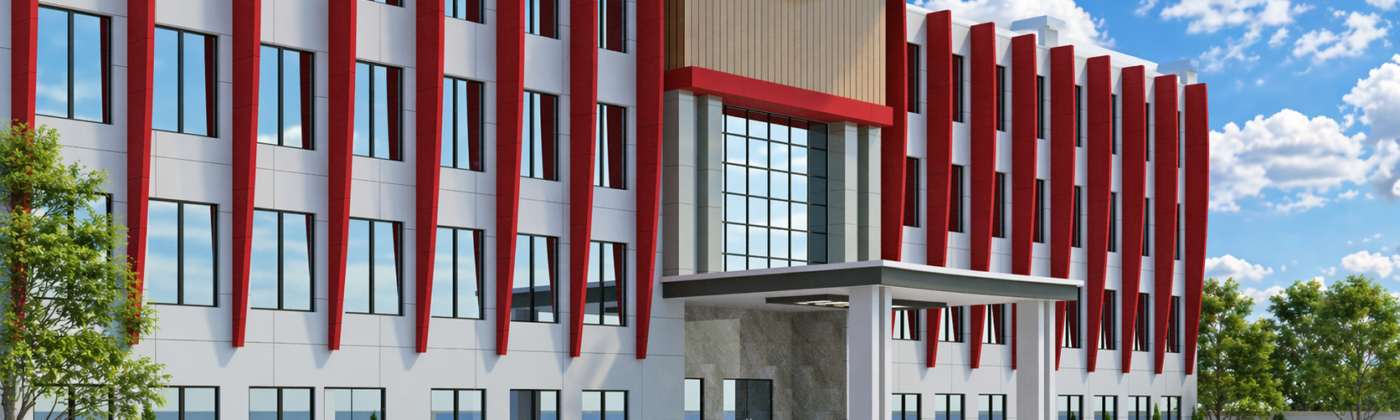
3D visualization solves this by replacing the imagination gap with a photorealistic image. When Studio3 delivers a render of your design, the client sees exactly what you designed — every facade detail, every material, every proportion — before a single column is poured.
Six Reasons Pakistani Architects Are Adopting 3D Visualization
1. Win More Projects With Stronger Presentations
Architecture in Pakistan is competitive. When multiple firms are pitching for the same project, the practice that presents a photorealistic 3D visualization of their proposed design has an immediate and decisive advantage over those presenting only drawings and mood boards.
Clients respond to what they can see. A beautifully rendered exterior view of their proposed office building or residential development communicates design quality, attention to detail, and professional capability far more powerfully than technical documentation alone. Studio3 regularly produces pre-pitch renders for architectural firms across Pakistan, and the feedback is consistent — visualization directly improves conversion rates at the proposal stage.
| 🏆 Competitive Edge
Firms that present 3D renders at the proposal stage consistently report stronger client engagement and higher project win rates compared to drawing-only presentations. |
2. Identify and Resolve Design Issues Before They Become Construction Problems
Every architect has experienced the frustration of a design issue that only becomes apparent once construction is underway. A window that falls in the wrong position once framing begins. A ceiling height that feels oppressive in reality despite looking proportional on paper. A material combination that clashes in natural light in a way the specifications never suggested.
3D rendering forces a design through a realistic visual test before it reaches the site. When Studio3 builds a 3D model from your drawings and renders it under accurate lighting conditions, design issues that would have been invisible on paper become immediately apparent — while they can still be corrected at zero construction cost.
| ⚠️ Design Review Benefit
Catching a proportional issue or material clash in a render costs nothing to fix. Catching the same issue on site can mean expensive rework, delays, and difficult client conversations. |
3. Accelerate Client Approvals and Reduce Revision Cycles
One of the most significant drains on an architectural practice’s profitability is the revision cycle — the back-and-forth that happens when clients are uncertain about what they are approving. Each revision round costs time, delays project progress, and erodes the margin on a commission.
When clients can see a photorealistic render of the proposed design, approval decisions happen faster and with greater confidence. Feedback becomes specific and actionable — “can we change the cladding colour on the upper floor” — rather than vague and structural — “I am not sure this is quite right.” Studio3 has seen architectural firms cut their average revision cycles significantly simply by introducing renders into their client communication workflow.
4. Support Planning and Regulatory Approvals
Obtaining planning permissions and building approvals from relevant authorities in Pakistan can be a lengthy process. Committees and approval bodies — like those under local development authorities — often include non-technical members who struggle to evaluate proposals from drawings alone.
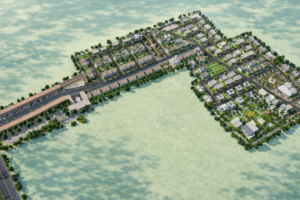
A well-produced 3D visualization makes your submission immediately comprehensible to every member of an approval committee, regardless of their technical background. It demonstrates how the building will sit within its context, how it relates to neighbouring structures, and how it addresses any massing or streetscape concerns — making a compelling case for swift approval.
5. Market Projects Before Construction Completes
For architects working on residential developments, apartment schemes, or commercial projects with developer clients, 3D visualization enables pre-construction marketing that generates sales before the project is finished — or even started.
Studio3 produces development-quality exterior and interior renders that developers use in brochures, hoardings, digital campaigns, and showroom displays to drive off-plan sales. Providing this capability to your developer clients positions your practice as a full-service partner, not just a drawing office — which strengthens the client relationship and often leads to repeat commissions.
| 📈 Pre-Sales Advantage
Developer clients who market with 3D renders consistently achieve stronger pre-sales figures than those relying on drawings and written descriptions alone. |
6. Build a Stronger Portfolio and Professional Brand
The portfolio is an architect’s most important marketing asset. A portfolio built around photorealistic 3D renders — particularly for projects that are proposed or under construction — is far more compelling than one built around drawings and site photographs of completed work.
Studio3 works with architectural practices to build render libraries that serve both pitch presentations and portfolio development. Whether you are sharing work on your website, Instagram, LinkedIn, or in a formal credentials document, photorealistic renders of your designs communicate the quality and ambition of your practice far more effectively than any other format.
What to Provide to Get the Best Results from 3D Visualization
Working with Studio3 as your visualization partner is a straightforward process, but the quality of input directly affects the quality of output. Here is what helps us produce renders that truly represent your design:
- CAD drawings or Revit/SketchUp files — floor plans, elevations, and sections at minimum.
- Material and finish specifications — exact product references where available, or categories and colours as a starting point.
- Site orientation — so we can set accurate sun angle and shadow direction.
- Reference images — any visuals that capture the atmosphere, material palette, or style you are aiming for.
- Landscape and context requirements — neighbouring buildings, trees, hardscape, and site boundaries if relevant to the view.
Studio3 is experienced in working with drawings at various stages of development. If your design is still evolving, we can produce indicative renders from early-stage designs and update them as the scheme develops.
Frequently Asked Questions from Architects
Can I use Studio3 as an ongoing rendering partner for my practice?
Yes — and many architectural firms in Pakistan already do. Studio3 works with practices on a project-by-project basis as well as ongoing retainer arrangements for firms with regular visualization needs. We understand how design practices work, and our process is built to fit into your project workflow without disruption.
What file formats does Studio3 accept?
We work with AutoCAD DWG, Revit RVT, SketchUp SKP, PDF drawings, and reference images in any common format. If you are unsure whether your files are suitable, simply share them and we will advise.
How do you handle confidential or pre-tender project information?
Studio3 treats all project information with complete confidentiality. We do not share, publish, or reference client project data or designs without explicit written permission. NDAs are available on request for practices that require formal confidentiality agreements.
Partner With Studio3 for Professional 3D Visualization
Studio3 is Pakistan’s dedicated architectural visualization studio — built to serve architects and design professionals with photorealistic renders, fast turnarounds, and a process that integrates seamlessly into your workflow.
📩 Reach us at studio3.pk — let’s elevate your next project presentation.