


Architectural Rendering for General Contractors: Winning More Bids in the USA
Architectural Rendering for General Contractors: Winning More Bids in the USA
General contractors don’t just build projects, they sell them first. A client meeting where a homeowner or developer can actually see the finished space closes deals faster than any blueprint ever could. That’s why architectural rendering for general contractors has shifted from a design extra to a core part of how US contractors win work and avoid costly change orders.
In this post, you’ll learn how 3D rendering services for contractors improve bid presentations, reduce miscommunication on site, and help Studio3 support both residential and commercial construction teams across the USA.
Why General Contractors Rely on Architectural Rendering
Winning a bid often comes down to trust. Clients want to know exactly what they’re paying for before signing a contract, and a stack of technical drawings rarely builds that confidence. Architectural rendering solves this by showing the finished project in realistic detail, before a single wall goes up.
Contractors who present renderings alongside their proposals tend to close deals faster, since clients can visualize materials, finishes, and layout without guesswork. Consequently, fewer clients hesitate or ask for lengthy revisions mid-project. This matters even more for design-build contractors, who handle both design and construction under one contract.
3D rendering services for contractors also reduce disputes once construction starts. When everyone has agreed on a clear visual reference, there’s less room for “that’s not what I expected” conversations that lead to expensive change orders.
Construction Rendering Services USA: What Contractors Actually Need
Construction rendering services USA wide typically fall into a few practical categories, each solving a different stage of the contractor’s workflow.
Common Rendering Types for Contractors
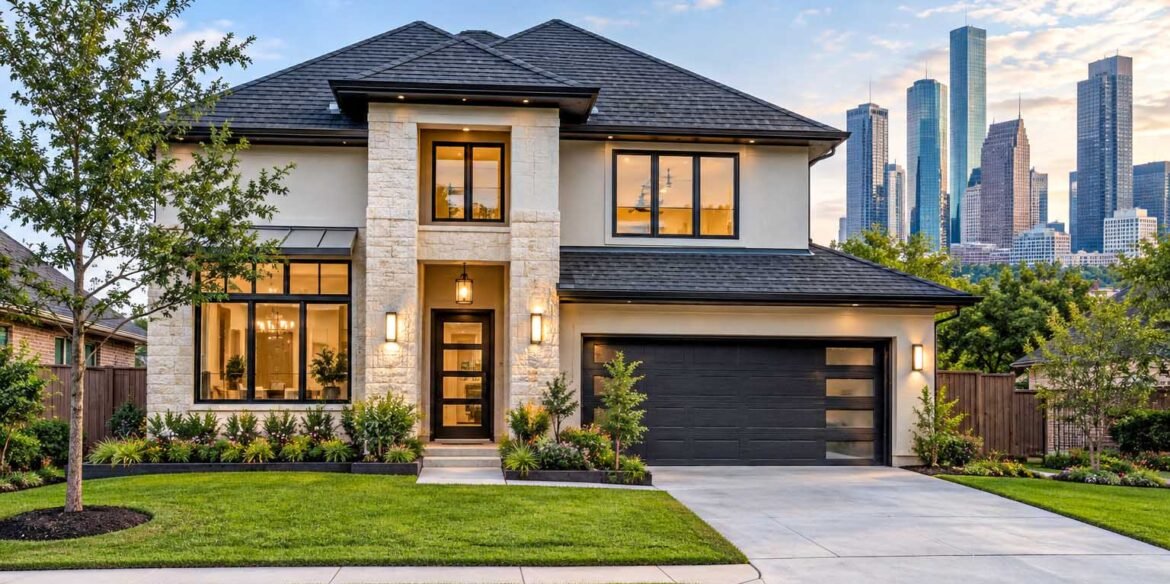
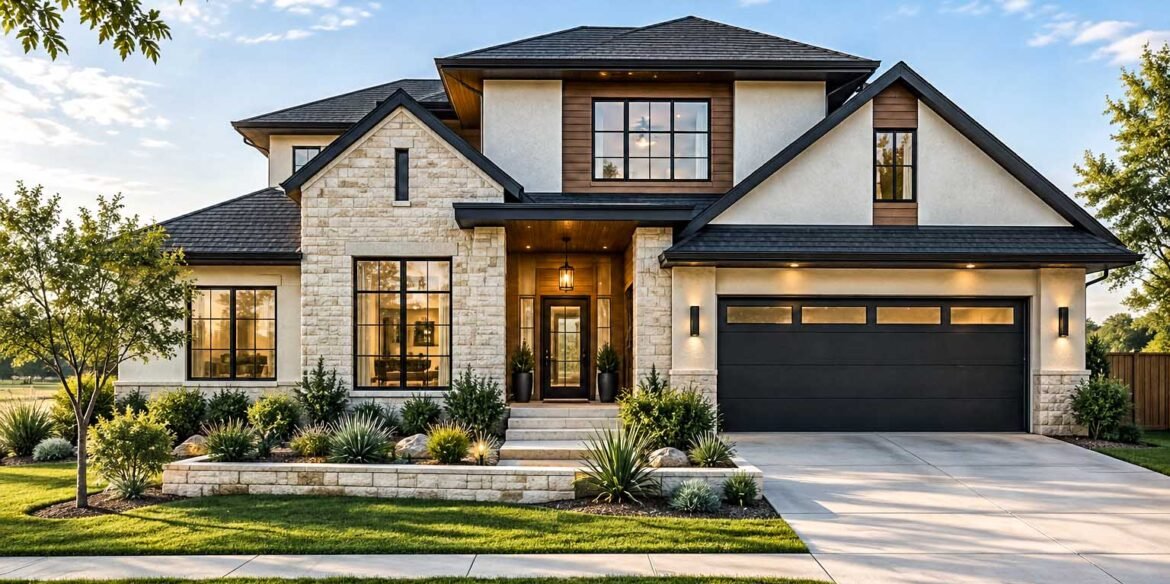
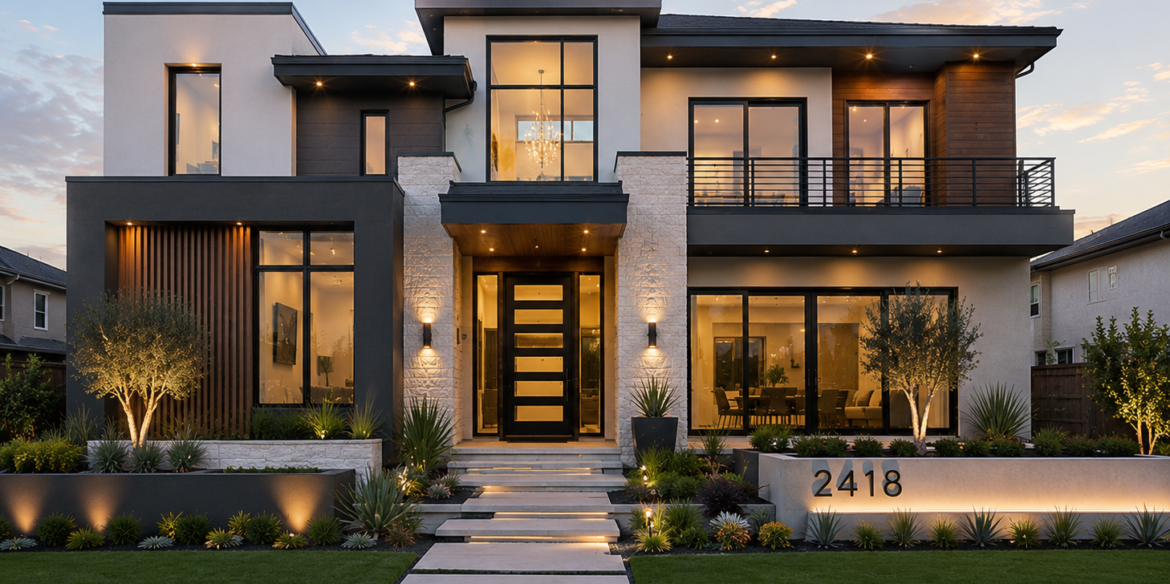
- Exterior elevation renderings: showing facade materials, rooflines, and landscaping
- Interior renderings: kitchens, bathrooms, and living spaces with accurate finishes
- Site plan renderings: lot layout, grading, and structure placement
- Renovation renderings: before-and-after comparisons for remodel projects
Unlike large architecture firms, general contractors often need faster turnaround since bids move quickly. Studio3 structures its rendering process around these tighter timelines without cutting corners on accuracy.
Pre-Construction Visualization: Reducing Risk Before Breaking Ground
Pre-construction visualization for contractors gives every stakeholder, from the client to the site superintendent, a shared understanding of the finished project. This matters because misread drawings are one of the most common causes of costly rework.
Contractors use pre-construction renderings to:
- Confirm material and color selections with clients early
- Catch design conflicts before framing begins
- Present phased construction plans to investors or lenders
- Align subcontractors on the final scope of work
Because these renderings circulate among multiple trades, they need to remain accurate to the architectural drawings, not just visually appealing. Studio3 cross-checks every render against the provided plans to keep this consistency intact.
Renderings for Contractor Proposals and Bids
Architectural rendering for general contractors plays its biggest role during the proposal stage. A bid packet with photorealistic visuals stands out immediately against competitors who only submit line-item estimates and flat drawings.
What Makes a Bid-Winning Rendering
- Realistic lighting that matches the property’s actual orientation
- Accurate representation of requested materials, not generic substitutes
- Clear before-and-after context for renovation projects
- A composition that highlights the contractor’s craftsmanship, not just the building
Clients remember the contractor who showed them their finished kitchen before they remembered the one who only sent a spreadsheet. This emotional impact often becomes the deciding factor between two similarly priced bids.
Residential vs. Commercial Contractor Rendering Needs
Not every contractor needs the same type of rendering package, and understanding this distinction helps set the right expectations.
Residential contractors typically request interior renderings for kitchens, bathrooms, and additions, since homeowners care most about how spaces will feel day to day. Renovation and remodel projects benefit heavily from before-and-after visual comparisons that justify the investment.
Commercial contractors, on the other hand, often need exterior renderings that show a building’s presence within a larger site or streetscape. These renders support zoning approvals, investor updates, and marketing for retail or office spaces. Studio3 adapts its process depending on which category a project falls into, rather than applying one template to every job.
Serving General Contractors Across the USA
Construction activity varies significantly by region, and contractors in fast-growing markets like Texas, Florida, and the Carolinas often face tighter deadlines due to high demand. Architectural rendering for general contractors in these states needs to keep pace with rapid project timelines without sacrificing quality.
Studio3 works remotely with contractors nationwide, which means location never becomes a bottleneck. Files, references, and plans move digitally, and revisions happen through fast, structured review rounds regardless of which state a project is based in.
Key Takeaways
Architectural rendering for general contractors has become a practical sales and communication tool, not just a design formality. Construction rendering services USA wide help contractors close bids faster, reduce disputes on site, and give clients the confidence to sign. Whether the project is a residential renovation or a commercial build, pre-construction visualization keeps everyone aligned before the first nail goes in.
If you’re a general contractor looking to win more bids and avoid costly miscommunication, Studio3 is ready to help. Reach out today to see how professional architectural rendering services can strengthen your next proposal.
FAQs Section:
Q1: Why do general contractors need architectural rendering services? Architectural rendering helps contractors present their proposals with realistic visuals instead of flat drawings, which builds client trust and speeds up bid approvals. It also reduces disputes once construction begins by giving everyone a shared visual reference.
Q2: How does 3D rendering help contractors win more bids? A bid packet with photorealistic renderings stands out against competitors who only submit written estimates. Clients respond emotionally to seeing their finished project, which often becomes the deciding factor in close competitions.
Q3: What’s the difference between rendering needs for residential and commercial contractors? Residential contractors typically need interior renderings for kitchens, bathrooms, and additions, while commercial contractors need exterior renderings that show a building within its site context. Studio3 adjusts its approach based on the project type.
Q4: How fast can Studio3 deliver renderings for a contractor’s bid deadline? Turnaround depends on project complexity, but Studio3 structures its workflow around the tighter timelines contractors typically face during the bidding stage. Clear communication upfront helps keep delivery on schedule.
Q5: Does Studio3 work with contractors outside major US cities? Yes, Studio3 works remotely with contractors across the USA, including fast-growing markets like Texas, Florida, and the Carolinas. All files, plans, and revisions are handled digitally, so location isn’t a limitation.