

AI in Architectural Rendering 2026 — How It’s Changing the Industry
AI in Architectural Rendering 2026 — How It’s Changing the Industry
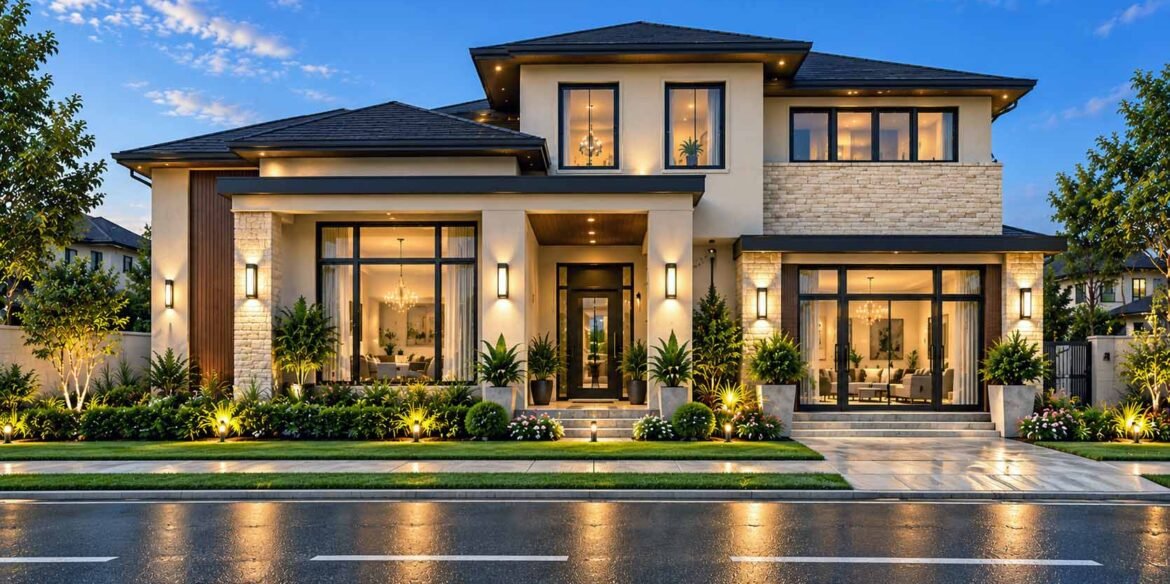
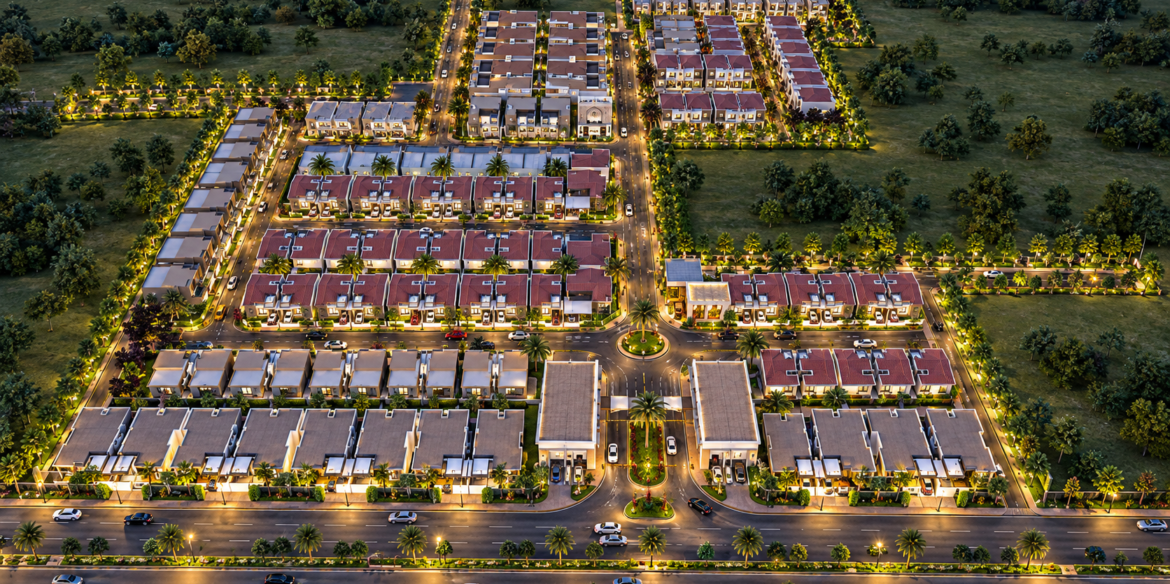
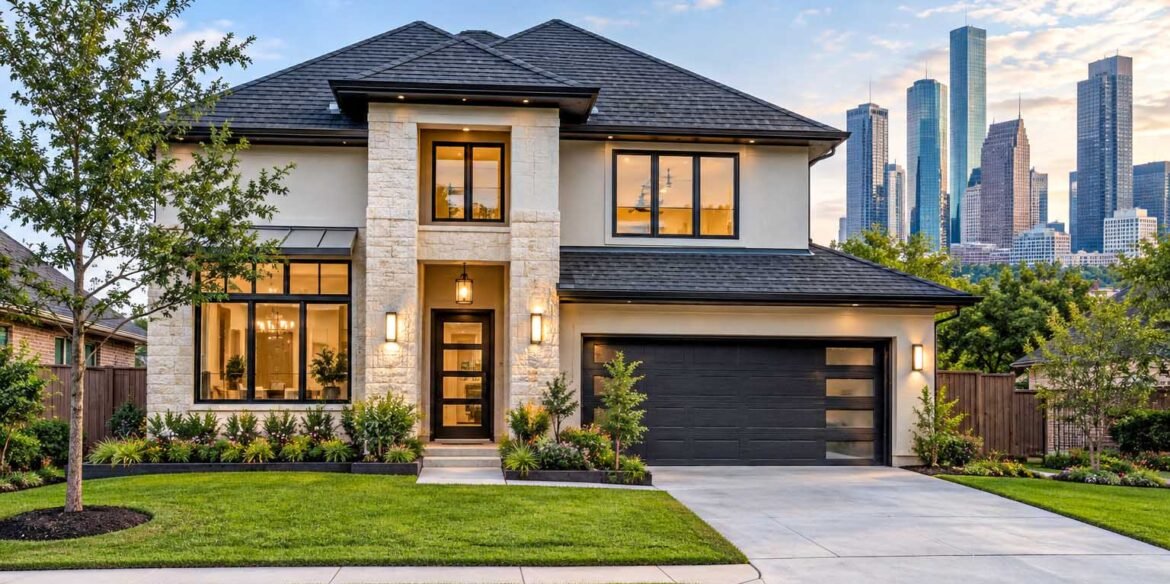
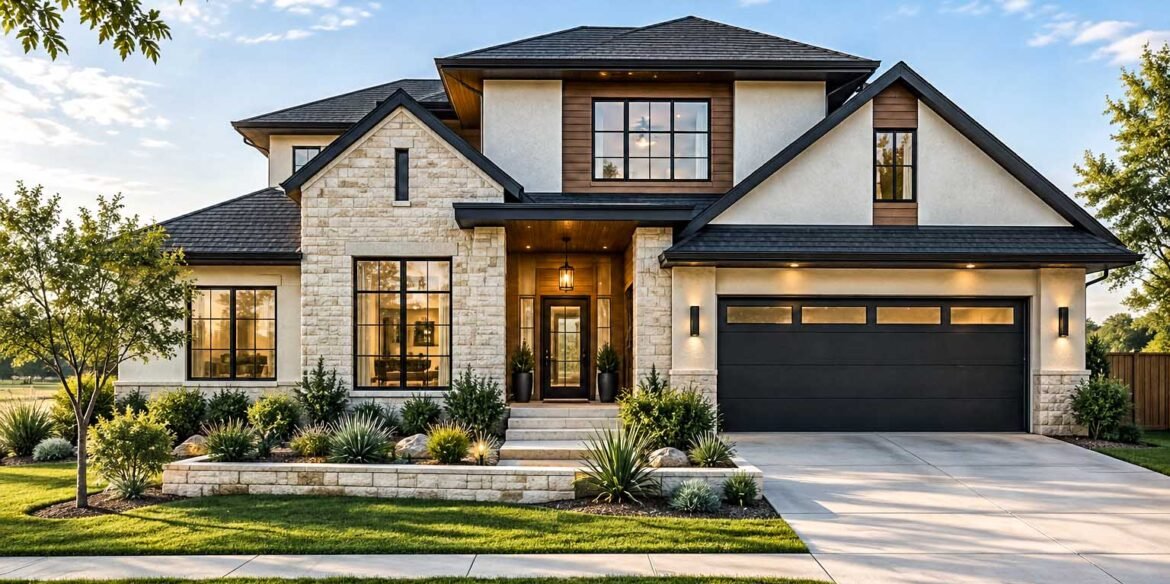
A few years ago, waiting half a day for a high-quality architectural rendering felt normal. Today, clients often expect multiple design variations before the meeting ends. That shift didn’t happen because rendering engines suddenly became ten times faster. It happened because AI quietly found its way into almost every stage of architectural visualization.
The interesting part isn’t that AI can generate images. We’ve known that for a while. What surprised me over the past year is how quickly professional studios started using AI for practical production work rather than simple concept art. The conversation has changed from “Can AI replace artists?” to “Which parts of my workflow should AI handle so my team can focus on design?”
At Studio3, we’ve tested AI across different architectural visualization projects, from residential villas to commercial developments. Some experiments saved hours. Others created more problems than they solved. After months of real production work, one thing became clear: AI is becoming another tool in the pipeline—not the pipeline itself.
Before AI: Architectural Rendering Was Slower but Predictable
Traditional architectural visualization followed a familiar process.
Model the building. Apply materials. Set cameras. Adjust lighting. Render. Wait. Review. Make client revisions. Render again.
Every experienced artist developed shortcuts, but the workflow stayed largely the same for years.
Client revisions were often the biggest bottleneck. A request as simple as changing the façade material from limestone to dark brick could require several hours of material adjustments, test renders, and final rendering.
Large visualization studios absorbed that time. Freelancers often worked late into the night.
AI hasn’t removed those challenges completely, but it has reduced many repetitive tasks that once consumed valuable production hours.
AI Is Speeding Up Design Exploration
The biggest change I see in 2026 isn’t faster rendering. It’s faster decision-making.
Early design exploration has become dramatically more efficient.
Instead of producing one carefully polished visualization, many studios now generate twenty or thirty visual directions before selecting the strongest concept.
That changes conversations with architects.
Rather than discussing abstract ideas, clients can react to visual options almost immediately.
For example, imagine an architect deciding between Scandinavian minimalism, contemporary concrete architecture, and warm Mediterranean materials for a luxury villa.
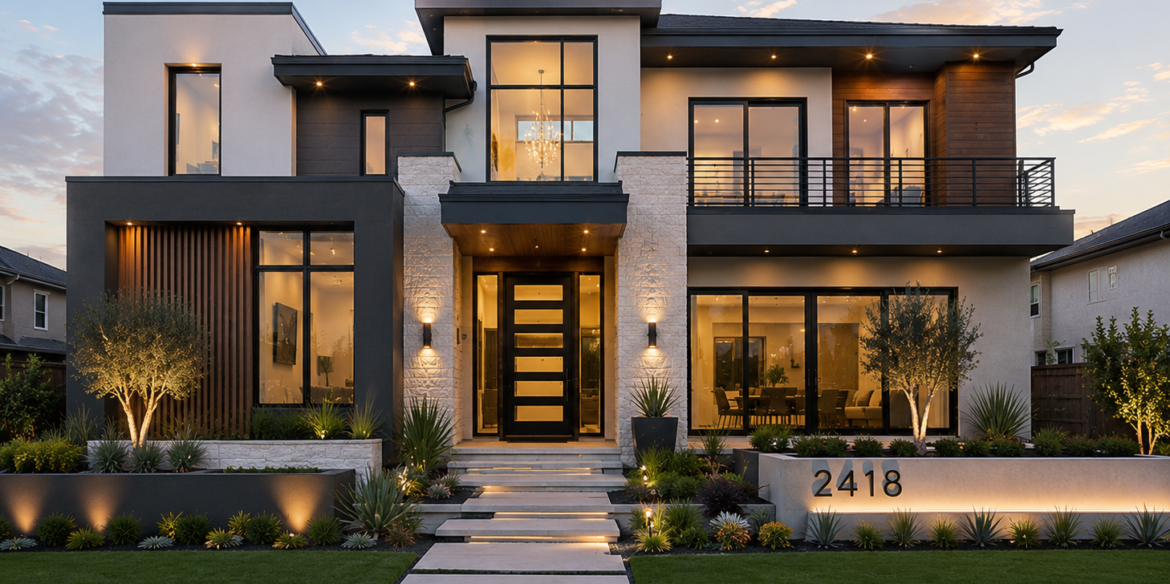
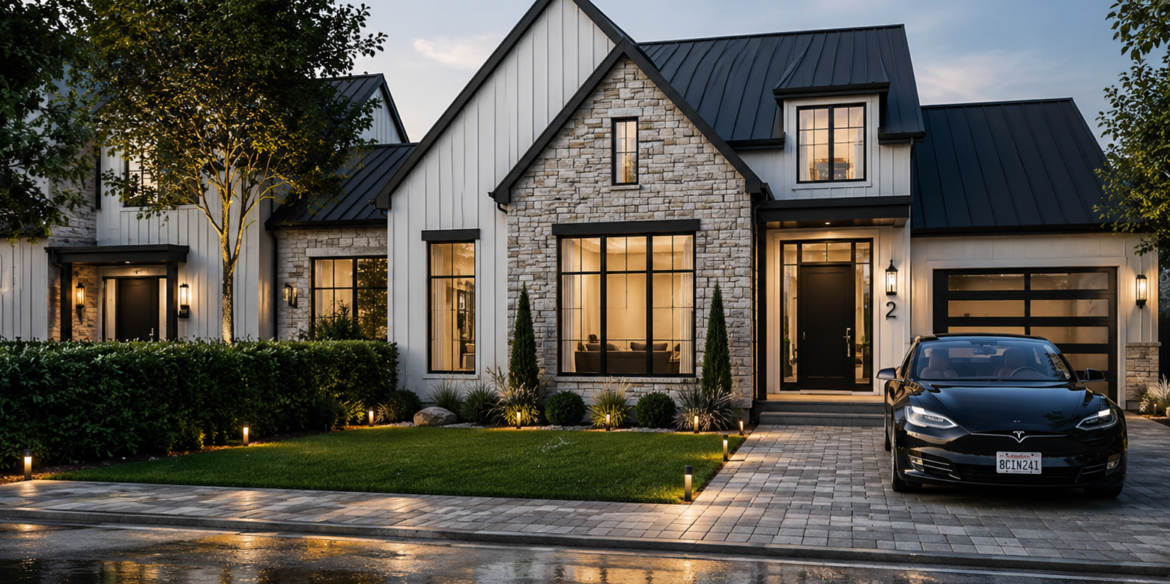
Instead of manually rebuilding every material setup, AI can generate convincing visual directions within minutes. The artist then develops the selected concept using professional rendering software.
That workflow reduces uncertainty before detailed production even begins.
AI Is Becoming Part of the Production Pipeline
Professional architectural visualization still depends on accurate 3D models.
No serious commercial project relies entirely on AI-generated images.
Instead, studios combine AI with traditional software.
A typical production pipeline now looks something like this:
- Model development in 3ds Max, Blender, or Revit
- Scene optimization inside Corona Renderer, V-Ray, Lumion, Twinmotion, or Unreal Engine
- AI-assisted material exploration and concept generation
- AI upscaling, image cleanup, and sky replacement
- Final manual quality control before delivery
Notice something?
The 3D artist still controls the project.
AI handles repetitive work. The artist handles design decisions.
That’s a very different relationship from what many people expected two years ago.
Generative AI Is Improving Client Revisions
Anyone who works in architectural visualization knows revision rounds can easily consume half the production schedule.
Clients often ask questions like:
“Can we see warmer lighting?”
“What if the landscape looked more tropical?”
“Can the façade feel more premium?”
Previously, those requests required rebuilding parts of the scene.
Now, generative AI archviz tools can produce convincing preview directions almost instantly.
The final production image still requires proper geometry, physically accurate lighting, and realistic materials, but AI dramatically shortens the discussion phase.
In my experience, clients become more confident when they can compare several visual directions instead of trying to imagine changes from verbal descriptions.
That often reduces unnecessary revision cycles.
Lighting and Materials Still Need Human Judgment
This is where AI receives more credit than it deserves.
Can AI create beautiful lighting?
Absolutely.
Can it consistently match the lighting requirements of a commercial real estate project?
Not yet.
Lighting in architectural visualization isn’t just about aesthetics.
It communicates atmosphere, construction materials, space hierarchy, and even sales value.
Experienced artists still understand subtle decisions that AI frequently misses.
For example:
A luxury hotel lobby requires different contrast ratios than a healthcare facility.
A Scandinavian residence should not feel like a Dubai penthouse.
An evening marketing render needs believable interior illumination without creating unrealistic glare.
Those decisions come from architectural understanding rather than image generation.
AI helps produce options.
Artists decide which option actually works.
AI Is Reducing Manual Labor—Not Creativity
One unexpected benefit is the reduction of repetitive production work.
Tasks that previously consumed hours can now take minutes.
Examples include:
- Removing rendering noise
- Increasing image resolution
- Replacing skies
- Enhancing vegetation
- Cleaning reflections
- Generating conceptual landscaping
- Producing quick mood boards
What surprised me was how much creative energy those small time savings unlocked.
Instead of fixing technical problems all day, artists spend more time refining compositions, storytelling, and architectural details.
That’s a better use of experience.
What This Means for Studios and Freelancers
The studios benefiting most from AI aren’t necessarily the biggest ones.
They’re the teams that adapt quickly.
Small architectural visualization studios can now compete with much larger companies because production efficiency has improved dramatically.
Freelancers also gain an advantage.
One experienced artist using AI intelligently can often deliver the workload that previously required several people during concept development.
That doesn’t mean fewer artists will be needed.
It means expectations will rise.
Clients will expect:
- Faster turnaround times
- More design variations
- Better communication
- Higher visual quality
- Greater consistency
Artists who only know software shortcuts may struggle.
Artists who understand architecture, composition, lighting, storytelling, and client communication will remain valuable.
Those skills are difficult to automate.
The Human Side of Architectural Visualization Still Matters
One misconception keeps appearing online.
People assume AI automatically creates good architectural visualization.
It doesn’t.
AI creates possibilities.
Professional visualization creates confidence.
Architects don’t hire studios simply because they need beautiful images.
They hire visualization partners who understand design intent, planning approvals, real estate marketing, and client psychology.
That’s where experienced artists continue to make the biggest difference.
AI accelerates production, but it doesn’t replace architectural judgment.
Final Thoughts
AI architectural rendering has already changed how professional studios work in 2026. The biggest gains aren’t coming from replacing artists. They’re coming from eliminating repetitive production tasks, accelerating client feedback, and giving visualization teams more time to focus on design quality.
At Studio3, we see AI as another professional tool alongside Corona Renderer, V-Ray, Twinmotion, Unreal Engine, and traditional 3D modeling software. The strongest results still come from experienced artists who know when to trust AI—and when to rely on their own architectural expertise.
The studios that thrive over the next few years won’t be the ones using the most AI tools. They’ll be the ones combining AI efficiency with strong design thinking, technical accuracy, and a deep understanding of architecture.
Ready to Modernize Your Architectural Visualization Workflow?
Whether you’re an architect, developer, interior designer, or visualization studio, Studio3 delivers photorealistic architectural rendering backed by modern AI-assisted workflows and experienced human artists. From residential homes to large commercial developments, we help clients visualize projects faster without compromising quality.
Contact Studio3 today to discuss your next architectural visualization project and see how AI-powered workflows can reduce turnaround time while maintaining professional-grade results.